The battery discount steps down on 1 January 2027
The federal discount on a battery gets smaller on 1 January, then again every six months. Find out whether your site qualifies and what a battery would save you, while the higher rate still applies.
- Small businesses can claim it, for batteries of 5 to 100 kWh
- We check your bills first, then size it
- Installed by licensed, accredited partners
35 days until the discount steps down
The discount is being wound back on a set schedule. Each step makes the same battery a little dearer to buy. It doesn't change what a battery does on your site, so the first job is still to check that one makes sense on your bills.
What to check before you sign anything
Does this battery qualify?
Ask for a yes or no for your system and your site, in writing.
Which date locks it in?
Signing, installation or sign-off. Get the answer on the quote.
What discount does the quote assume?
It should be its own line, with the date it applies from.
What if the job slips past 1 January?
Ask for the price both ways, so there is no surprise.
If an installer can't answer these clearly, that tells you something about the quote. We put all four on ours.
Bills first, then the battery
- Send a billYour latest power bill is enough to start. Twelve months is better.
- We check the fitWhen you use power, your demand charges, your tariff and your spare solar.
- You get the numbersBattery size, estimated saving and the discount, priced for before and after 1 January.
- We manage the installThrough our licensed partners, with monitoring and servicing afterwards.
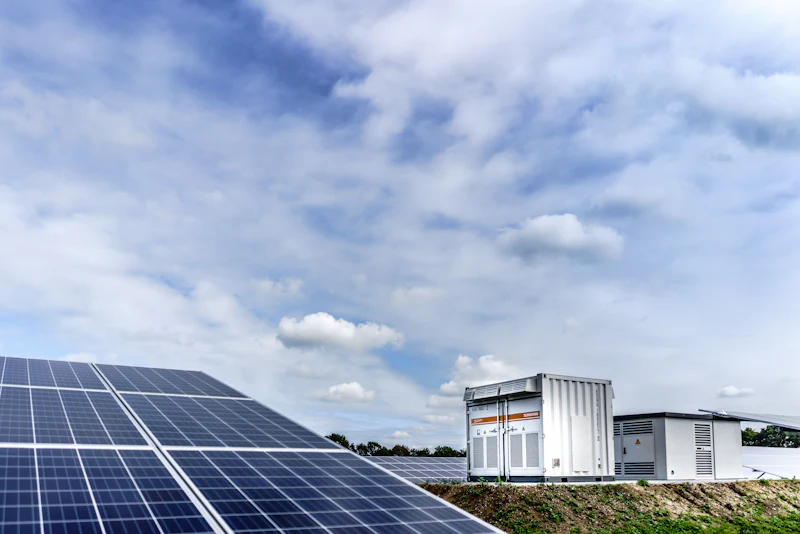
A battery on a working site
Common questions
What is changing on 1 January 2027?
The federal battery discount is built from certificates. The number of certificates per kWh of battery falls on 1 January 2027, by about 16%, and again every six months until 2030. The same battery gets a smaller discount after each step.
Does it apply to a business?
For many small sites, yes. Despite the name, the Cheaper Home Batteries Program is open to small businesses as well as households, for batteries of 5 to 100 kWh of usable capacity installed with solar. Larger discounts apply to the first part of the battery and less to the rest.
Which date locks in the discount?
It is tied to when the battery is installed and signed off, not when you sign the quote. Ask every installer to confirm the date in writing, and what happens to the price if the job slips past it.
Can a battery still go in before 1 January?
It depends on the site, the equipment and the approvals. Some can, many can't this late in the year. We will tell you straight which side of the date your job is likely to land on, and price it for both.
Should I rush to beat the date?
No. A rushed battery on the wrong site or at the wrong size costs more than a smaller discount. If the numbers work on your bills, the step-down is a reason to start now, not a reason to skip the homework.
What if I miss it?
The discount still applies, just at the lower rate, until the next step on 1 July 2027. The value of a battery comes mostly from your own bills: when you use power, your demand charges and your spare solar.
What about bigger batteries?
Batteries over 100 kWh sit outside this program. See our guide to the NSW battery incentives for larger sites.
Based on the Clean Energy Regulator's published schedule, checked 27 November 2026. Rules can change, and eligibility depends on your system, your site and the installer's accreditation. Savings and paybacks are estimates, not promises. Eligible rebates may apply.
Find out where your site stands
Send a bill. We'll tell you plainly whether a battery suits it and which side of the date it is likely to land on.