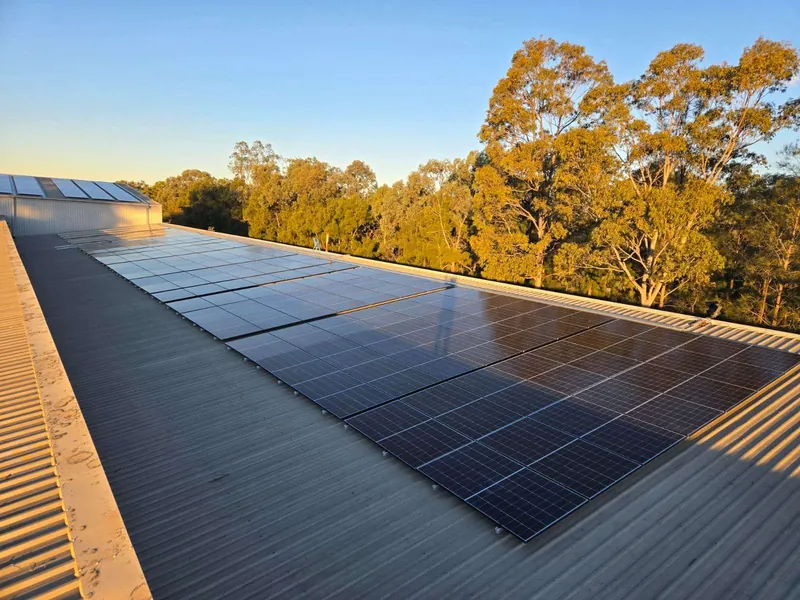
Solar and batteries for factories and manufacturers
Factories use most of their power in daylight, which is exactly when solar produces. We design around your production load, find the waste first, and show you the savings and payback before you spend.
- Designed on your 30-minute interval data
- Demand charges, compressed air and site capacity checked
- Eligible incentives may apply, including BESS4 and BESS5 batteries
Tell us a little about your site. The team will reply within 1 business day.
Get my free savings checkBook a 15-min callor call 0433 679 324Factories suit solar because they run in the daytime. We size it to your production load, cut waste and demand charges, and get you onto the right power contract.
For most manufacturers, energy is one of the biggest costs they can actually control. The savings usually come from four places: solar matched to daytime production, a power contract that suits how the site runs, lower peak demand, and less waste in equipment like air compressors, refrigeration and motors. We look at all four, so you do them in the right order.
Where factories lose money on power
- Demand chargesOne busy half-hour a month can set a big part of the network bill. Staggered start-ups or a battery can bring it down.
- The wrong contractA fixed contract prices in risk you may not carry. A site that runs early in the day can suit a different structure, as AP Bakery's did.
- Compressed air and motorsLeaks, high pressure settings and old compressors waste power every hour the plant runs.
- Not enough supply to growNew equipment can push the site past its grid connection. A transformer upgrade isn't always the only answer.
- Solar exporting for a few centsSystems sized without interval data often export at low feed-in rates while the site still buys power at night.
What fits a factory
Rooftop solar
Sized to your daytime load, so most of it is used on site.
Learn more →Batteries
To cut demand charges, add site capacity without a transformer upgrade, or keep production running in an outage.
Learn more →Energy audits
Metering on compressors, refrigeration, HVAC and motors, and demand response opportunities, with fixes ranked by payback.
Learn more →Power and gas contracts
A contract structure matched to your load, reviewed every year so a price rise never sits there for long.
Learn more →Feasibility studies
For bigger decisions: solar, batteries and site capacity modelled together before you commit.
Learn more →Servicing and monitoring
Every system monitored after install, so a dead string or inverter gets caught early.
Learn more →Simple, and the numbers come first
- Energy analysisWe start with your bills and 30-minute interval data, so the design fits how your site really uses power.
- Feasibility and designRoof, switchboard and grid checks, then a design that balances cost, output and payback.
- InstallationInstalled by our licensed, accredited electrical partner, using quality, well-supported brands.
- Monitoring and supportEvery system is monitored after install, so faults get caught and fixed early.
From factories we work with
AP Bakery
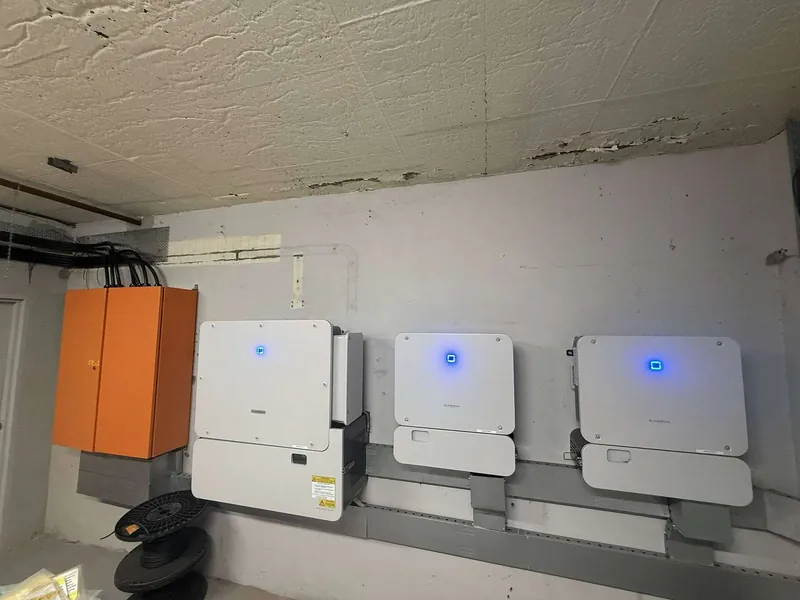
Moved to a load-matched contract, then added a 96 kWh battery with a 110 kVA Sigenergy inverter. Usable site capacity went from around 128 A to around 290 A with no transformer upgrade, plus full blackout backup.
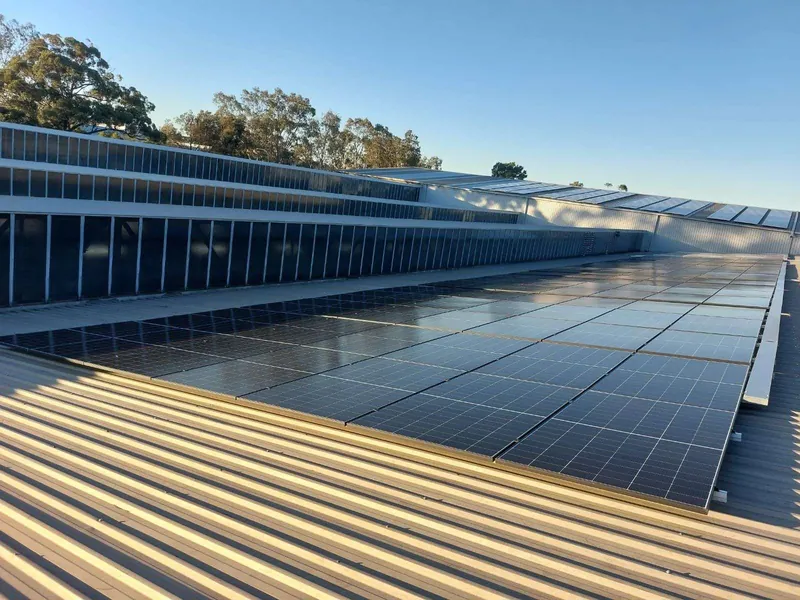
Confeta
270 kW of rooftop solar sized to a daytime manufacturing load, about 500 MWh made in its first 18 months, plus an energy audit and compressor upgrade that cut energy use by about 20%.
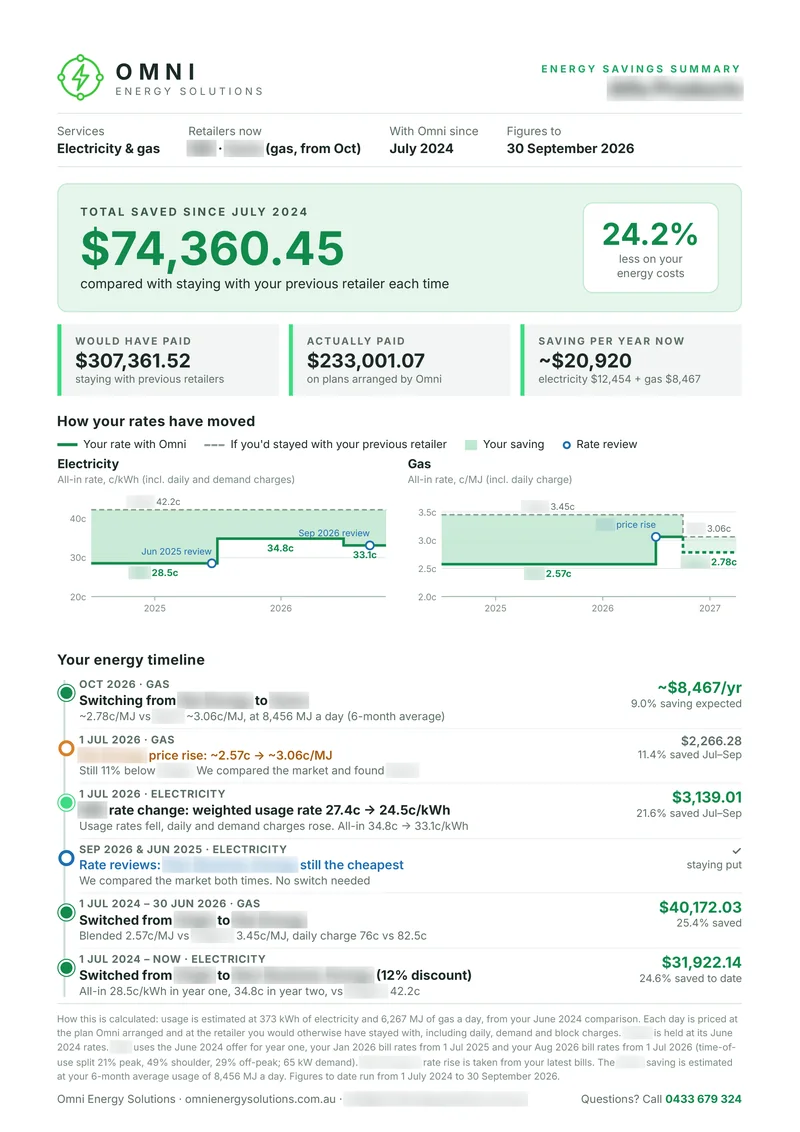
A Sydney food manufacturer
Power and gas managed since July 2024. We move them when prices rise and leave them put when they're already on the cheapest plan: 24% less on their energy costs.
Common questions
How big a solar system does a factory need?
It depends on your daytime load, not your roof size. We size it from your 30-minute interval data so most of the solar is used on site. An oversized system exports for a few cents and stretches the payback.
Will a battery pay back for my factory?
It depends on what it's doing. A battery that cuts demand charges, adds site capacity or keeps production running in an outage often stacks up. One that only stores solar for the evening may not. We model it on your data and tell you either way.
Can we add capacity without a transformer upgrade?
Sometimes. At AP Bakery a 96 kWh battery with a 110 kVA inverter lifted usable capacity from about 128 A to 290 A without one. It depends on how and when your site uses power.
What incentives apply to factories?
Eligible rebates may apply for solar, for batteries through the NSW BESS4 and BESS5 incentives, and for some efficiency upgrades. We identify what applies to your site and show it on the quote.
Do we have to shut down for the install?
Usually not. Most of the work happens on the roof, and the switch-over is planned for a quiet time, often after hours or on a weekend.
Do you work with factories outside Sydney?
Yes. We're Sydney-based with licensed partners in every state and most major towns.
Read more
 12 Nov 2026 · 3 min read
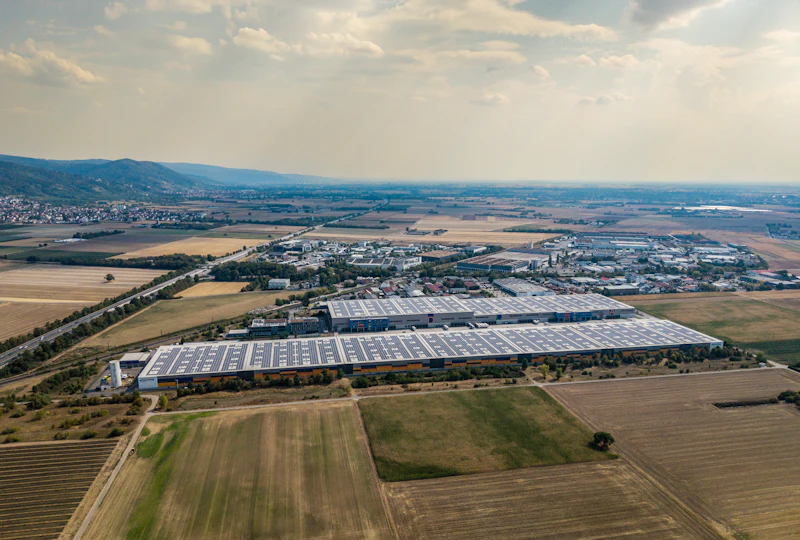
Mid-scale solar now qualifies for STCs. Should your business wait?
Systems from 100 kW to 1 MW installed from 1 Oct 2026 can now earn STCs. What changed, why buyers are waiting, and what to do first.
Read →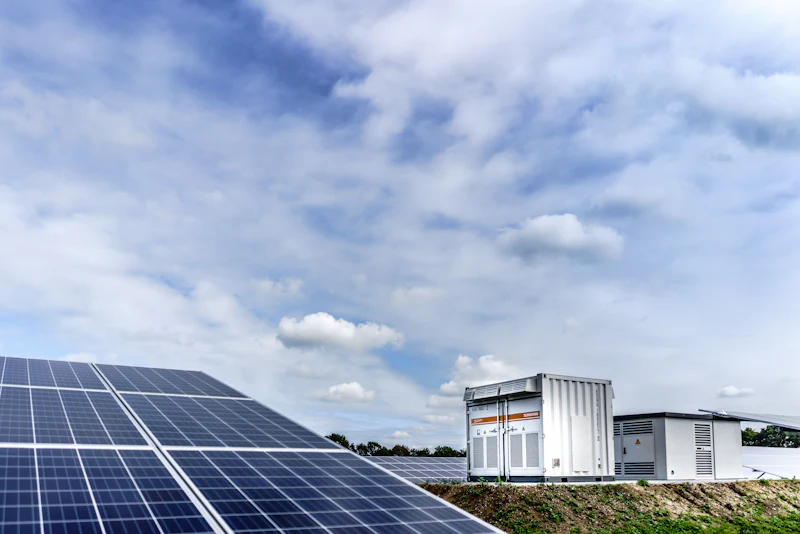 12 Nov 2026 · 5 min read
BESS5: NSW Commercial and Industrial Battery Discount
BESS5 supports NSW commercial and industrial batteries from 200 kWh to 30 MWh, with no minimum payment. Who qualifies and how to plan the project.
Read →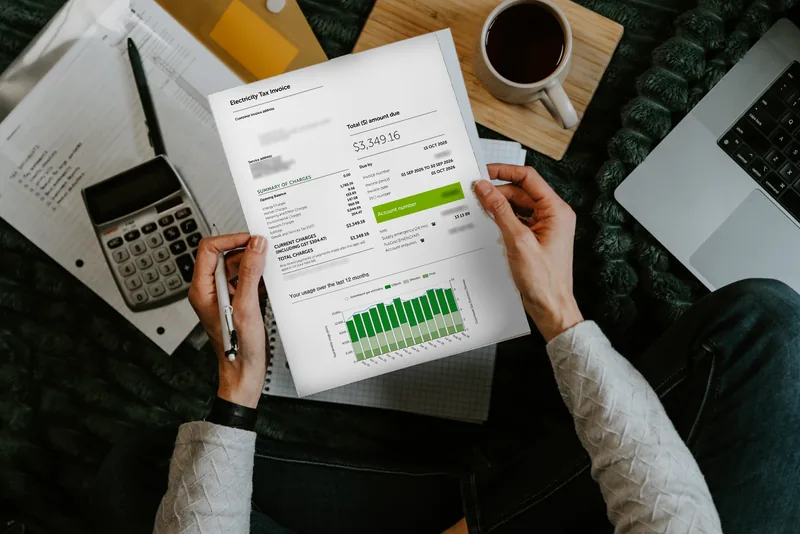 12 Nov 2026 · 2 min read
Energy Bills vs Energy Efficiency: Where to Start
How to balance energy bills and efficiency in your business, with practical steps to cut costs and waste, and which to tackle first.
Read →See what you could save
Send a bill or a few details. You'll get a clear answer, with no obligation.