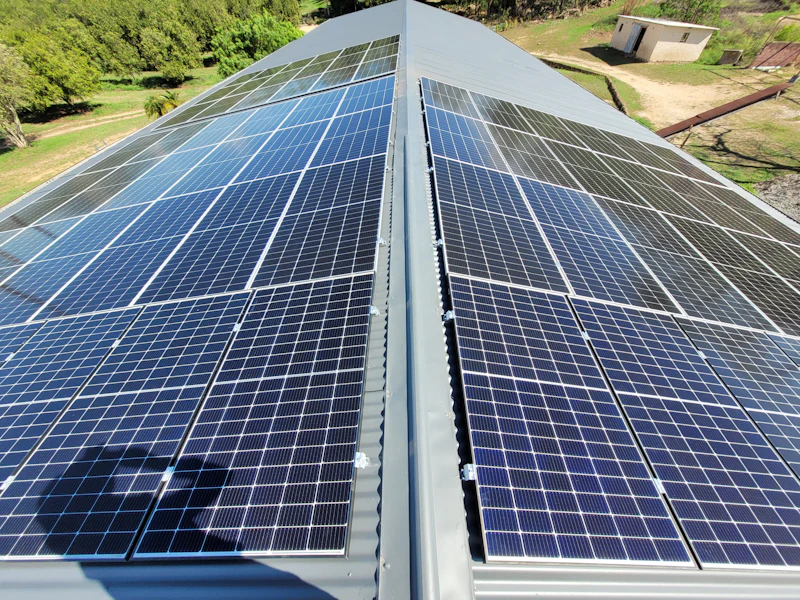
Solar, batteries and lower energy bills for medical and dental practices
Practices run in daylight, which suits solar, and some things can't go off: medicine and vaccine fridges, chairs, sterilisers and patient records. We cut the bills and add backup where it matters.
- Bill review first, no saving no fee
- Backup for medicine fridges, equipment and IT
- Solar sized to your clinic hours
Tell us a little about your site. The team will reply within 1 business day.
Get my free savings checkBook a 15-min callor call 0433 679 324Practices open in daylight, so solar gets used. A battery with backup keeps fridges, equipment and computers running in an outage, and a bill review saves money from the next bill.
A medical or dental practice uses most of its power between 8am and 6pm. GP and specialist clinics run air conditioning, computers, sterilisation and medicine and vaccine fridges. Dental practices add the air compressor, suction, autoclaves and imaging, which run from the first patient to the last. That daytime pattern is a good match for solar. The bigger worry for many practices is an outage: lost medicines, chairs that stop mid-appointment, and a day without patient records cost more than the power bill.
Where practices lose money and sleep
- Medicine and vaccine fridgesCold chain stock is expensive and needs constant power. A short outage can mean throwing it out.
- Compressors, suction and sterilisersIn a dental practice they run all day, and an ageing unit or an air leak adds to the bill every hour.
- Outages stop the practiceNo power means no chairs, no imaging and no records, and patients sent home.
- Paying peak rates in clinic hoursMost practices pay the highest rates for the hours they're open, often on a contract that rolled over years ago.
- Leased premisesMany practices lease, so solar needs the landlord on board.

What fits a practice
Power and gas bill review
The quickest saving. No saving, no fee.
Learn more →Solar for clinic hours
Sized to your weekday load, so most of it is used while you're open.
Learn more →A battery with backup
Keeps fridges, essential equipment, computers and lights running in an outage, and stores solar for later in the day.
Learn more →Equipment check
For larger and multi-chair practices: compressors, suction and air conditioning checked, with fixes ranked by payback.
Learn more →EV charging
For staff, doctors on call and patients, sized to what the building's supply can take.
Learn more →Simple, and the numbers come first
- Energy analysisWe start with your bills and 30-minute interval data, so the design fits how your site really uses power.
- Feasibility and designRoof, switchboard and grid checks, then a design that balances cost, output and payback.
- InstallationInstalled by our licensed, accredited electrical partner, using quality, well-supported brands.
- Monitoring and supportEvery system is monitored after install, so faults get caught and fixed early.
From a practice we work with
Common questions
Can a battery protect our medicine fridges in a blackout?
Yes, if it's set up for backup. The battery needs a backup gateway or backup circuit, and we choose which loads stay on: usually fridges, computers, phones and some lighting. Large compressors and autoclaves need a bigger system, so we check what you want to protect.
How big a solar system does a practice need?
Most practices suit 10 to 30 kW, depending on the number of rooms or chairs and the air conditioning. We size it from your bills and interval data, not the roof.
Do you work with physio, specialist and diagnostic clinics?
Yes. Diagnostic and imaging clinics have heavier loads and often bigger savings.
We lease our premises. Can we still save?
Yes. The power and gas contracts are usually in your name, so a bill review works whether you own or lease. Solar and batteries need the landlord's OK, and the lease needs to be long enough to pay them back. We can help you put the case to the landlord.
Do you work with groups with several practices?
Yes. We review every site and manage the contracts together, with a savings summary for each practice.
Are there incentives?
Eligible rebates may apply for solar, and for batteries from 20 kWh through the NSW BESS4 incentive. We show what applies on the quote.
Read more
 12 Nov 2026 · 5 min read
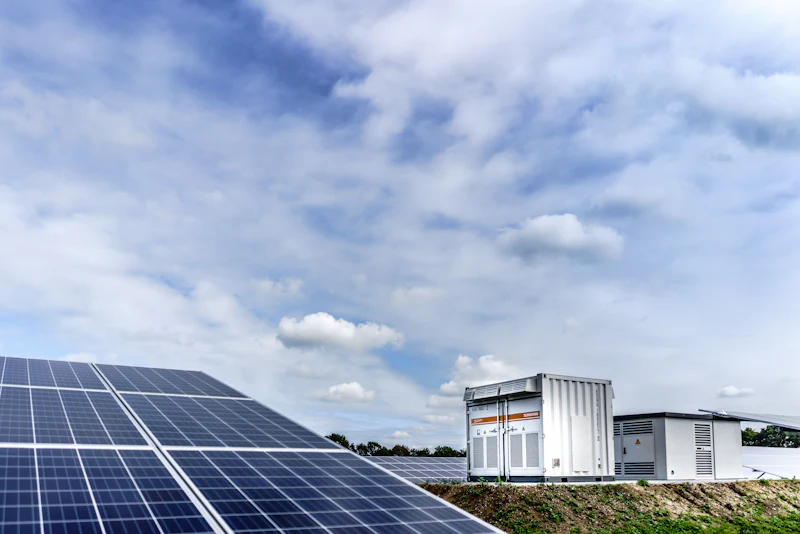
BESS4: NSW Battery Discount for Small and Medium Business
BESS4 gives NSW businesses an upfront discount on a 20 to 200 kWh battery. Who qualifies, what it costs you and how to get it on your quote.
Read →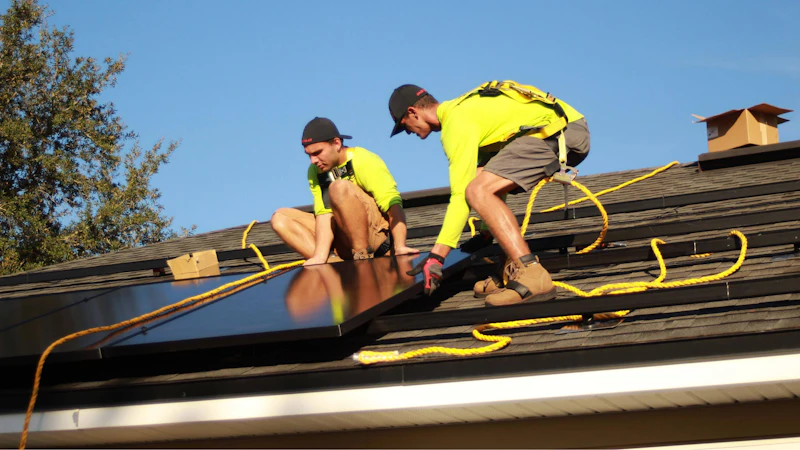 12 Nov 2026 · 2 min read
How Much Can Solar Really Save? For Homes and Businesses
How much solar can save on your electricity bill, for homes and businesses, with a worked example and the factors that change the result.
Read → 12 Nov 2026 · 2 min read
Energy Bills Explained: How to Reduce Your Costs
How to read your energy bill, what each charge means, and practical ways to bring the cost down, for businesses and homes in NSW.
Read →See what you could save
Send a bill or a few details. You'll get a clear answer, with no obligation.