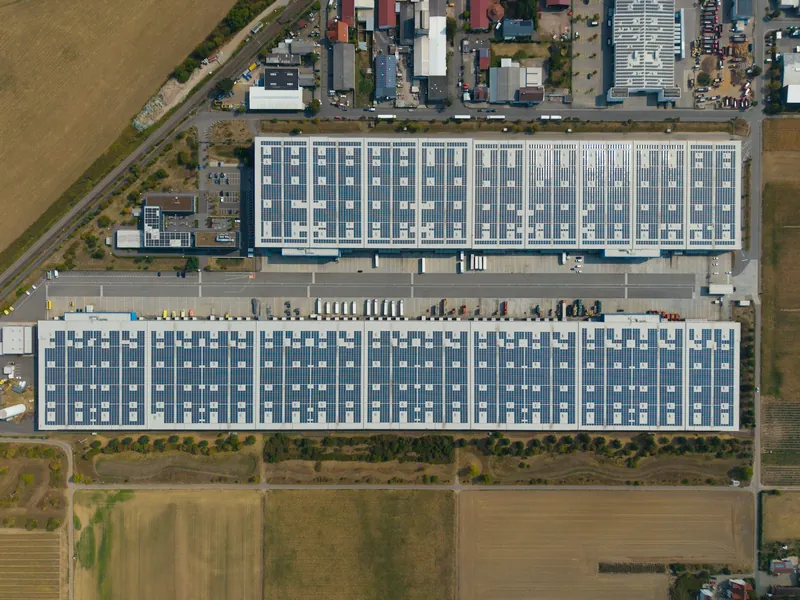
Solar on a building you rent
Renting usually rules solar out: why pay for a system you'd leave behind? So the landlord pays for it and owns it, and the tenant pays part of the saving back as a small, fixed rent increase.
- $0 upfront for the tenant
- The landlord keeps the asset
- We do the numbers for both sides
Tell us a little about your site. The team will reply within 1 business day.
Get my free savings checkBook a 15-min callor call 0433 679 324A lot of the best roofs in Sydney sit on leased factories, warehouses and shops. The tenant pays the power bill and the landlord owns the roof, so nothing happens. Splitting the saving fixes that: the tenant pays less for power from the first month, and the landlord gets their cost back through the rent.
The same four steps for both sides
- We size itFrom 12 months of the tenant's bills and the roof. The first look is free.
- The landlord funds itThe landlord pays for the system and owns it.
- A fixed rent increaseSet below the tenant's expected saving and written into the lease.
- We install and run itDesign, licensed install, monitoring and servicing.
How the split can look
| Example: a $150,000 system on a 6-year lease | A month |
|---|---|
| Estimated power saving | $3,750 |
| Extra rent, fixed for the lease | $1,750 |
| Tenant is ahead by | $2,000 |
An example to show how the split works, not a quote. Over the six years that is about $270,000 saved on power, less $126,000 in extra rent. Your numbers come from your own bills and site. It leaves out tariff changes and panel wear.
For tenants
Lower bills, nothing up front
No capital and no loan. The system is the landlord's asset, not yours.
A fixed increase
The rent increase stays the same through the lease, while your saving tends to grow when power prices rise.
We make the case to your landlord
Send us your bills and your landlord's details. We prepare the numbers for both of you.
For landlords
Your cost comes back through the rent
A fixed monthly increase over the lease. We show you the return on your own numbers.
You keep the asset
The system stays with the building for this tenant and the next.
An easier building to lease
Lower running costs for the tenant, and solar already on the roof.
Questions we sort out up front
Who owns the system?
The landlord. They pay for it and it stays with the building. The tenant gets the lower bills.
Who looks after it?
We monitor and service it, so the tenant isn't chasing anyone and the landlord's asset keeps earning.
What if the tenant leaves early?
That is agreed up front in the lease change, the same way any other rent term is. The system stays on the building for the next tenant.
What if the saving is lower than expected?
We use a conservative estimate and set the rent increase well under it, so there is room if a year comes in low.
How is it documented?
As a rent change in the lease. We supply the numbers and each side's lawyer does the paperwork.
What about a building with several tenants?
A power purchase agreement can work better there: each tenant pays for the solar power they use, per kWh.
Does our landlord need convincing?
Usually, a little. We bring the landlord their own numbers: their cost back through the rent, and an asset they keep.
Is there another way if the landlord says no?
Sometimes. A $0 upfront funded system can suit a tenant, with the landlord's consent and a long enough lease.
All savings, returns and paybacks are estimates, not a guarantee; actual results depend on usage, tariffs and the site. The rent change is agreed between landlord and tenant and should be documented by their lawyers. Tax and depreciation questions are for your accountant. Installs are carried out by our licensed installation partners. Eligible rebates may apply.
Send us the bills and we'll run both sides
Twelve months of bills and the landlord's or tenant's details is enough to start. No obligation.