Battery hosting: how landlords earn rent from a battery on their site
Some property owners lease space to a battery developer and collect rent. It suits a small number of sites, and a battery for your own use is often the better option.
Yes, a property owner can earn rent by leasing part of a site to a battery developer. But it only works for a small number of sites, and the terms matter more than the headline rent.
This article covers how hosting works, what developers look for, and what to check before you sign anything.
What battery hosting means
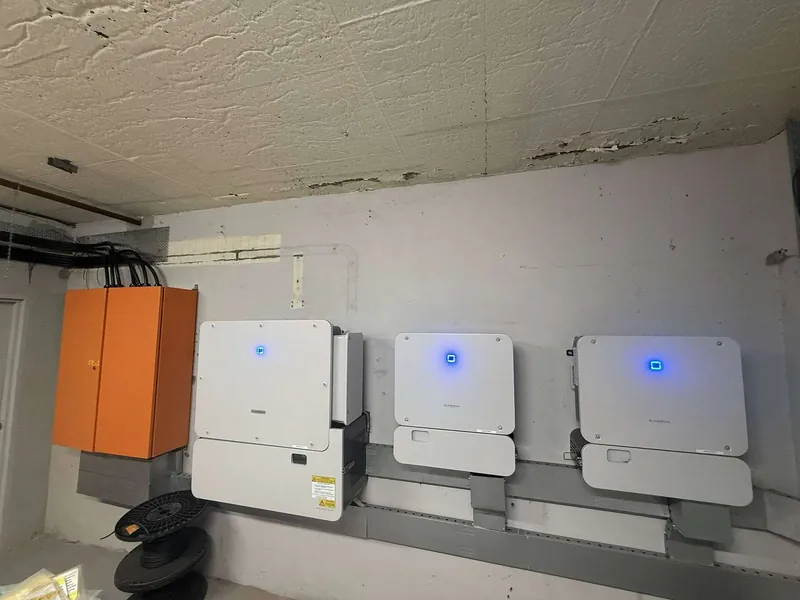
In a hosting deal, a developer builds and owns a battery on your land. You are the landlord. The developer pays you rent, and the battery earns its money from the grid.
This is different from buying a battery to cut your own power bills. With a hosted battery, you don't own it and you don't use its power. Your return is the lease.
What developers look for
Location drives almost everything. The most important factor is how close the site is to a substation.
Developers want a connection point with spare capacity. A site that looks ordinary to you can be valuable if it sits next to the right piece of network. A site far from one is unlikely to attract interest, however large it is.
RenewEconomy reports that the best NSW battery sites are being taken quickly. One project nearby can use up a substation's spare capacity, so being close to a substation does not mean an offer will follow.
Some landowners sell rather than lease. Battery sites commonly sell to developers at 1.5 to 2 times the land's worth. That is a sale, not a lease, and the two shouldn't be mixed up.
Is it a lease or a licence?
This detail decides how safe your arrangement is.
Developers have often used a licence. A licence gives the battery owner no registered interest in the land. If you sell the property, the new owner may not honour it.
NSW Land Registry Services has indicated that a battery can be leased as "premises" on a deposited lease plan. That avoids subdividing the site, which previously applied to leases over five years on part of a lot. This law firm's analysis dates from 2023, so ask your solicitor to confirm the current position before relying on it.
What hosting is not
Some things get confused with hosting, so it helps to separate them.
- Ausgrid's own batteries. Ausgrid's grid batteries sit beside its existing substations, on land the Ausgrid Group already owns. This stream isn't open to private landlords.
- Government battery discounts. The NSW business battery discount is for batteries installed for a business's own use. It covers on-site batteries, not rented hosting. Eligible rebates may apply to a battery you buy for your own site.
- The federal small-battery discount. Under the Clean Energy Regulator's rules, an eligible battery must stay on site until the end of its warranty or the end of 2030, whichever is later. Only one battery is eligible per premises.
If you host a battery owned by someone else, don't assume any of these discounts apply to you or the developer. Check with the scheme administrator first.
A checklist before you talk to a developer
- Site fit - Ask how close your land is to a substation and whether the network has spare capacity. Without a good answer, a deal is unlikely.
- Lease, not licence - Ask for a registered lease over defined premises so the arrangement survives a sale of the property.
- Term and exit - Check how long the lease runs, whether there are renewal options, and who removes the battery and restores the land at the end.
- Rent and reviews - Get the rent in writing, with a review method. Rent varies from site to site, so get more than one offer.
- Access and safety - Confirm who has access, who carries insurance, and how fire and safety risks are handled.
- Tenants and lenders - If you lease the property to others, or have a mortgage, check what they must agree to.
- Legal and tax advice - Have a solicitor and an accountant review the terms before you sign.
When your own battery makes more sense
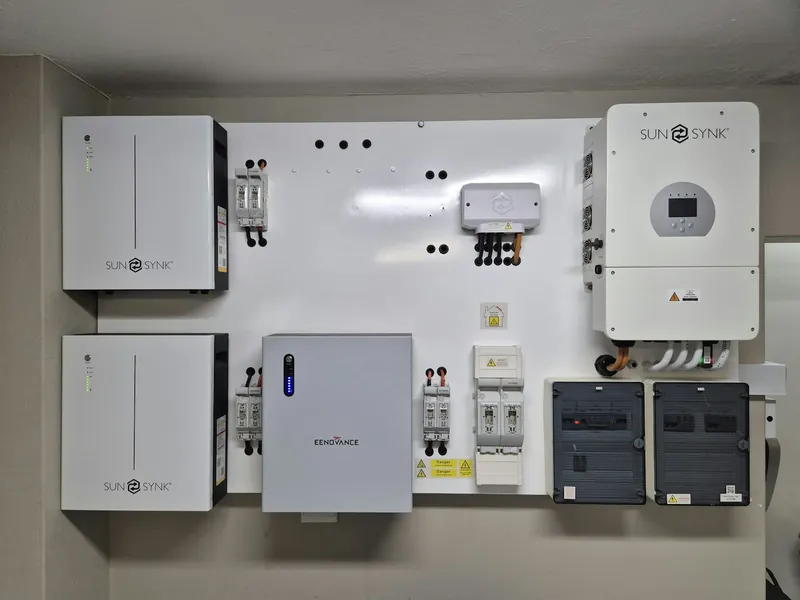
For most business owners, the real value is on the site's own meter. A battery behind your meter can store solar for use in the evening and reduce what you pay at peak times. Any saving depends on your usage and tariff, and payback is only an estimate.
We have seen this work in practice. A Sydney bakery saved about $40k a year on energy first, then added solar and batteries. Results vary by site, so the numbers need checking against your bills.
If you own a building with tenants, solar and a battery can also add to what the property offers. Our page on how solar increases property value covers that angle. For a detailed look at a particular site, an energy feasibility study is a sensible first step.
Next step
Omni Energy Solutions helps NSW businesses with power and gas, as well as solar, batteries and EV charging. We design, quote and project-manage, and licensed partners install.
Send your latest power and gas bills to bills@omnienergysolutions.com.au, or call us on 0433 679 324. You will get a free look at what solar or a battery could do for your site.

Director, Omni Energy Solutions. UNSW photovoltaic engineer, formerly Head of Service at Smart Commercial Solar and Head of Engineering Services at EVSE.