Mid-scale solar now qualifies for STCs. Should your business wait?
If your business has a large roof and you are considering solar, the rules have just changed in your favour. Systems from 100 kW up to 1 MW that are installed from 1 October 2026 can now be eligible for small-scale technology certificates (STCs). The catch is that applications only open in mid to late November, so timing matters.
Eligible rebates may apply. The amount depends on your system and your site, so confirm it in a written quote.
What has changed
Until now, systems in this size range sat in an awkward gap. They were bigger than a typical home or small shop system, but smaller than the large utility projects that run on a different scheme.
According to RenewEconomy’s report on SunWiz data, the Small-scale Renewable Energy Scheme (SRES) now covers eligible systems from 100 kW up to 1 MW installed from 1 October 2026. The same article says the application window opens in mid to late November.
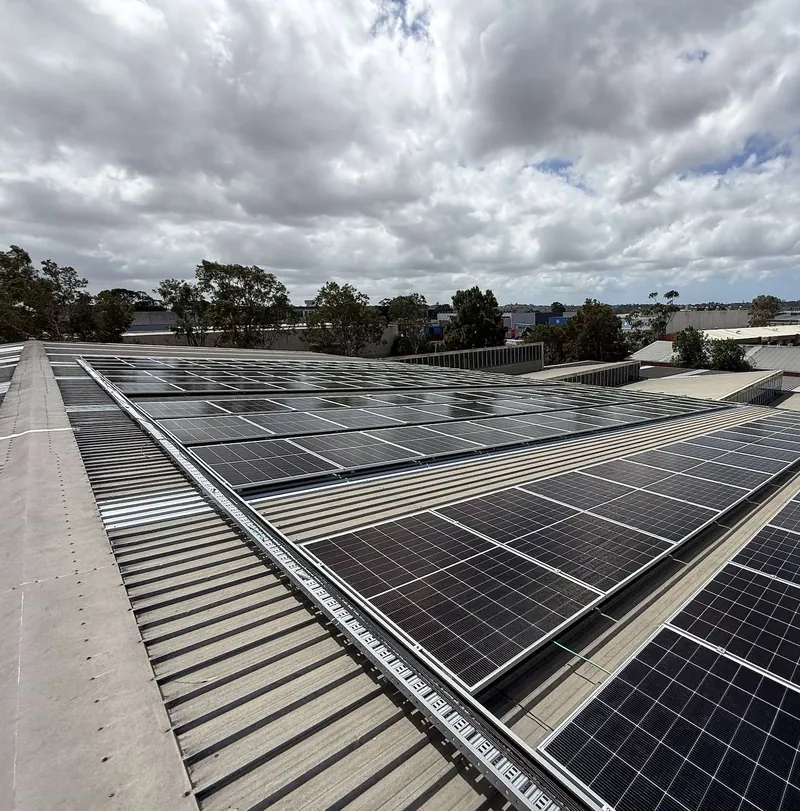
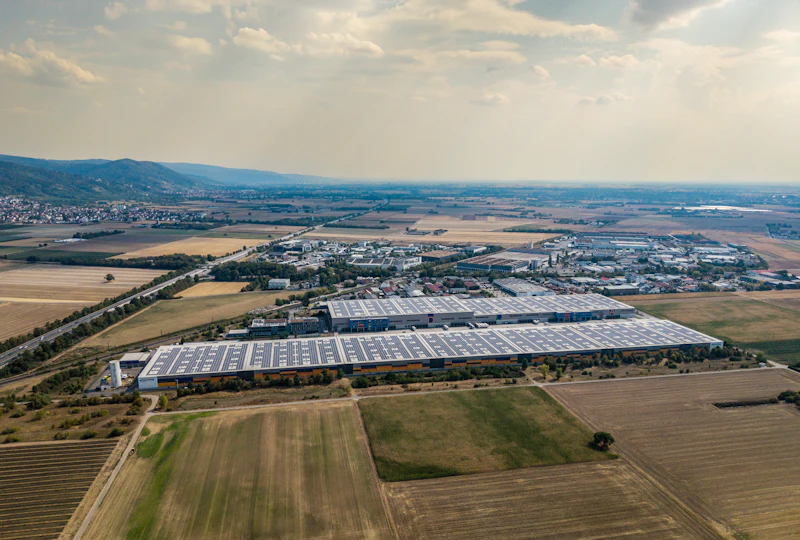
That is a real change for factories, warehouses, cold storage sites, large shopping centres and big commercial rooftops.
Why some buyers are waiting
SunWiz reports that commercial installations above 50 kW have slowed. The likely reason is that buyers are holding off until the application window opens.
That is a reasonable instinct, but waiting has its own costs. Every month without solar is a month of paying full price for power you could have generated yourself. Our article on the cost of doing nothing covers that in more detail.
The better approach for most businesses is not to wait and see. It is to use the next few weeks to get the design, the quote and the contract right, so you are ready when the window opens.
Demand is strong, so lead times matter
Smaller systems are not slowing down at all. The same report says Australia installed 305 MW of rooftop solar in October, with NSW contributing 89.9 MW. Installs of systems up to 100 kW were 16% higher than a year earlier, and January to October is 41% ahead of 2025.
When the whole market is busy, good installers fill their calendars. If many mid-scale buyers apply at the same time, quotes and installation dates could stretch. That is another reason to start early.
What to do before the window opens
Here is a practical order of work for a business with a roof in the 100 kW to 1 MW range:
-
Pull your bills together – Gather 12 months of electricity bills, and gas bills as well if you have them. They show when you use power, which decides how big the system should be.
-
Check your roof and switchboard – Roof condition, shading, available space and the capacity of your electrical connection all affect the design. Finding a problem now is cheaper than finding it mid-install.
-
Get a design and quote in writing – Ask for the system size, the expected yearly generation, the equipment brands and what the installer assumes about rebates. Make sure the quote says clearly what happens if the rules or timing change.
-
Ask how the application timing is handled – The window is not open yet, so ask who applies, when, and whether the contract protects you if the process takes longer than expected.
-
Consider a battery – If your business uses most of its power in the evening, or runs late shifts, storage may improve the numbers. It is worth modelling both ways before you decide.
Is it worth it for your site?
That depends on how and when you use power. A site that runs through the day, such as a food manufacturer or a warehouse with refrigeration, tends to use more of its own solar. A site that is mostly quiet during the day will export more, and the return is lower.
Savings and payback periods are estimates, not promises. They depend on your tariff, your usage, your roof and your contract. Our guide on how much solar can really save you explains what drives the numbers.
For context, we have worked on projects in this size range. These include 270 kW of solar for a Sydney packaging manufacturer and 145 kW for a poultry food producer. Every site is different, so those are examples of scale, not a forecast for your business.
How Omni helps
Omni designs, quotes and project-manages commercial solar. Licensed partners do the installation. We also help with power and gas, because a solar decision is stronger when you understand the whole energy bill first.
If you want to see how a mid-scale system would fit your site, our feasibility studies are a good first step. For the design and build side, see our solar design and installation page.
Get a free look at your site
The application window opens soon, and the businesses that prepare now will be in the best position. Get a free savings check, send your latest bills to bills@omnienergysolutions.com.au, or call us on 0433 679 324. We will give you a free look at what solar or a battery could do for your site.

Director, Omni Energy Solutions. UNSW photovoltaic engineer, formerly Head of Service at Smart Commercial Solar and Head of Engineering Services at EVSE.