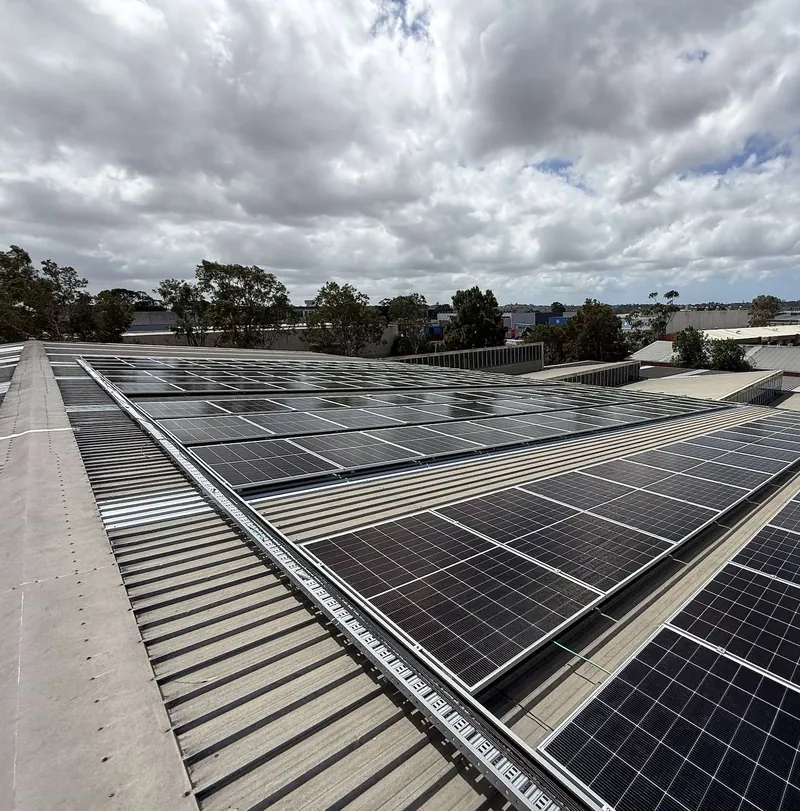
BESS3: NSW Battery Discount for Apartment Buildings
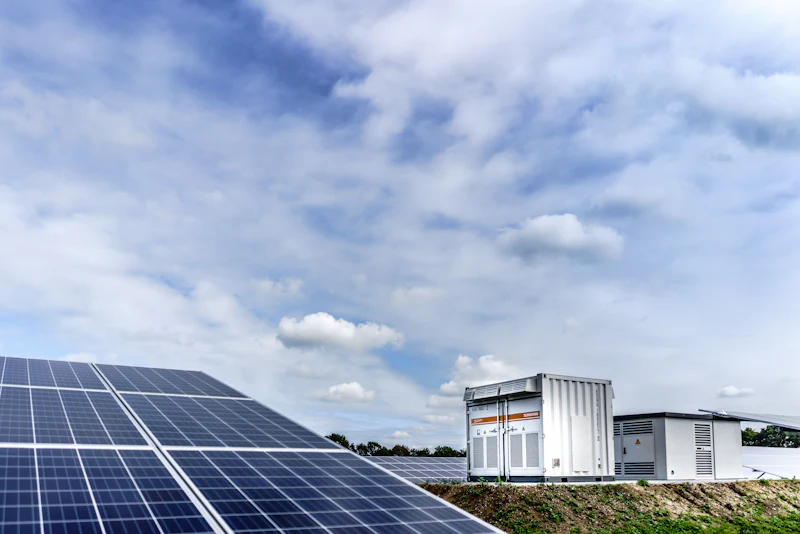
BESS3 is the new NSW battery discount for apartment buildings. It started on 1 September 2026 under the Peak Demand Reduction Scheme (PDRS) and covers shared batteries from 20 kWh up to 200 kWh.
Apartment buildings have mostly been left out of the battery boom. Shared roofs, shared meters and strata approvals make it harder than putting a battery in a house. BESS3 is designed to help close that gap.
Eligible incentives may apply. The amount depends on the battery and the building, so confirm it in a written quote.
What BESS3 is
The PDRS pays for equipment that reduces demand on the grid at peak times. A building battery charges from solar or off-peak power and supplies the building in the late afternoon and evening, when the grid is under the most pressure.
When the battery is installed, an Accredited Certificate Provider (ACP) creates Peak Reduction Certificates and sells them to energy retailers, which are required to buy them. The value comes back to the owners corporation as an upfront discount on the installation.
How big is the discount?
The NSW Government says the discount can be about:
- 30 to 40 per cent - when the battery goes in with new or additional solar.
- 20 to 30 per cent - for a battery on its own.
Those are indicative. The actual discount depends on the battery model, the installer, the building's layout and the ACP's costs.
On the strata committee? Send us the building's common-area power and gas bills and we'll work out roughly what the discount could be, and whether a battery suits the building, at no cost. Email bills@omnienergysolutions.com.au.
Who qualifies
A building can use BESS3 if:
- It has at least 4 units - there's no upper limit.
- It hasn't used this discount before.
- The battery is approved - on the Clean Energy Council's approved batteries list.
- The size fits - usable capacity of at least 20 kWh and no more than 200 kWh.
- It's installed outdoors - by an installer accredited by Solar Accreditation Australia (SAA).
- Approvals are in place - planning approval and the owners corporation's vote.
Buildings that already have solar, including through the Solar for Apartment Residents grant, can still use BESS3. To get the higher discount, they need to add extra solar within 90 days before or after the battery.
As a rule of thumb, new solar lifts the battery discount by about 50 per cent, so it's worth pricing both.
What the building pays
IPART sets a minimum payment for BESS3 of $1,000 (excl GST). That can come from the capital works fund, a special levy or finance.
Getting it through strata
This is where most building projects stall, so plan for it early.
- Get several quotes - each should show the battery, the solar if any, the total cost and the discount.
- Plan the funding - capital works fund, special levy or finance.
- Check insurance - the building's policy may need updating, and home building compensation cover may be needed during the works.
- Brief the owners - share the quotes and the plan before the meeting so people have time to ask questions.
- Vote - the owners corporation (not just the strata committee) has to pass a sustainability infrastructure resolution. It passes with 50 per cent or more of the votes of those at the meeting. Your strata manager can put it on the agenda at an AGM or call an extraordinary general meeting.
NSW Fair Trading has more on sustainability infrastructure resolutions.
The battery also needs planning approval. For systems up to 200 kWh this is usually a Complying Development Certificate (CDC) from a private certifier, which adds some cost. Include it in the quotes the owners vote on.
Who benefits, and how to share it fairly
A shared battery usually runs the common property first: lifts, lighting, car park ventilation, pool pumps and the like. That lowers strata levies over time.
Some buildings can go further and share solar and battery power with individual units. Ask installers what technology they can offer to share the capacity fairly, and how it will show up on residents' power bills.
Renters can benefit through lower bills, but the decision rests with owners. If you're renting, talk to your landlord.
Is it worth it for your building?
A battery suits buildings with steady common-area loads, enough roof for solar and an owners corporation that plans to hold the asset for years. It's harder to justify for a small block with little common-area use and no solar.
Ask each installer for a model built on the building's actual common-area power and gas bills and interval data, not a generic estimate. Any savings figure is an estimate until it's based on your own data.
Red flags
- No discount line on the quote.
- Quotes below the minimum payment - they aren't compliant.
- Door knocking - salespeople can't knock uninvited under the PDRS.
- Indoor installs - BESS3 batteries must be outdoors.
How Omni can help
We review the building's common-area power and gas bills, model a solar and battery option from the interval data, and prepare a clear quote and owner briefing for the strata vote. We work with SAA-accredited installers to deliver it.
For the full picture across apartments, small business and large commercial sites, read our complete guide to BESS3, BESS4 and BESS5.
Get a free battery check
Send us the building's common-area power and gas bills. We'll model a battery and solar from the building's data and prepare a clear quote and owner briefing for the strata vote.
- Email your bills - bills@omnienergysolutions.com.au
- Call us - 0433 679 324
- Send us a message - through our contact page
No obligation. You'll get a plain answer on whether a battery, solar or both make sense for your building.
Sources: NSW Climate and Energy Action, Batteries for apartment buildings incentive, IPART, Peak Shifting, IPART, Upgrade costs. Checked 11 November 2026.

Director, Omni Energy Solutions. UNSW photovoltaic engineer, formerly Head of Service at Smart Commercial Solar and Head of Engineering Services at EVSE.