Ausgrid has mapped the best spots for business rooftop solar
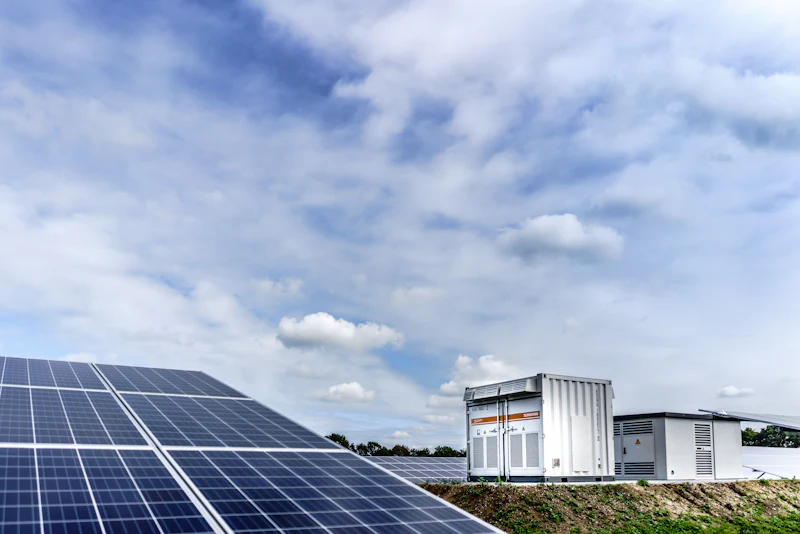
Ausgrid has mapped the streets in Caringbah, Mascot-Botany and the Northern Central Coast where community batteries can benefit local homes and businesses. If you have solar, the trial is set up so you can earn more for the solar you export, working in tandem with the batteries. For people without solar, Ausgrid estimates savings of around $150 to $200 a year, paid as an annual bill rebate.
Ausgrid, Australia's largest electricity network, has published maps of the best spots for businesses to go big on rooftop solar. The data sits in the NSW Spatial Collaboration Portal and now covers three trial areas.
If your business has a large roof in one of those areas, this is worth a look.
What has changed
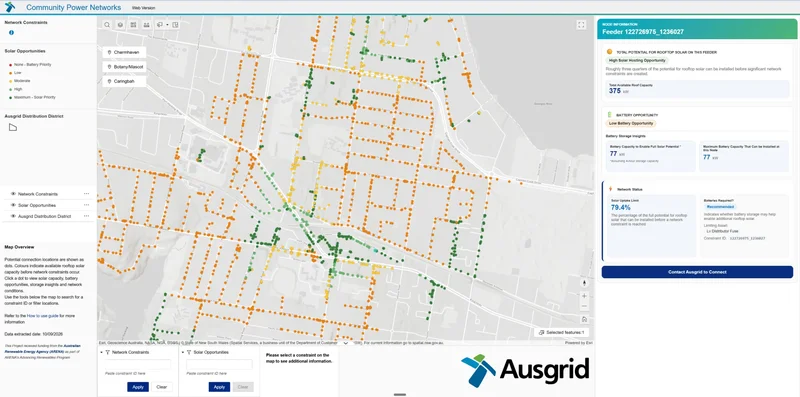
The portal now covers three Community Power Network trial areas:
- Mascot-Botany
- The Northern Central Coast
- Caringbah
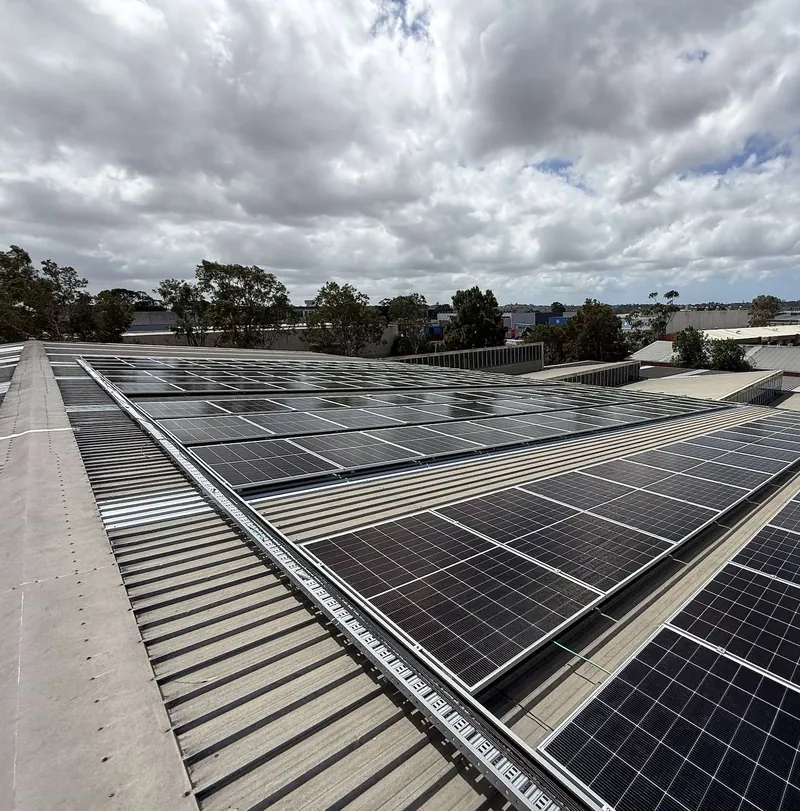
The trial targets warehouse, shopping centre and school roofs. It pairs solar with community batteries. Business owners with large roofs in these areas can see where the grid can take more solar.
The batteries share surplus solar across the neighbourhood. Ausgrid says the profit from running them goes back to local homes and businesses as an annual bill rebate, and people with solar should be able to earn more for the power they share. Read Ausgrid's announcement of the trial for the details.
Who this affects
Business owners and property managers with big roofs inside the three trial areas are the most directly affected. That includes warehouse owners, shopping centre landlords and schools.
If you are outside those areas, nothing changes for you today. You can still use the same thinking. Before you plan a large system, ask your network or installer what the local grid can handle, because that limit can shape how big a system you are allowed to connect.
What it means for your bill and plans
A map of where the grid can take more solar is a starting point. It does not design your system or promise a saving. Your result depends on how much power your site uses during the day, the size and condition of your roof and your current tariff.
Large roofs with steady daytime use are usually the best fit. A warehouse running refrigeration or machinery all day uses most of what its panels produce, which is where solar tends to cut bills. A site that is quiet during the day has a different picture, and a battery may matter more.
The community battery link is also worth watching. Community batteries are shared storage that sits on the local network, so there is a reason to ask how they could work for a business roof. If your site is in a trial area, ask Ausgrid how a business would connect to or benefit from a nearby community battery, and whether any approvals or agreements are involved. Get the answer in writing before you build it into your plans.
Any savings figure is an estimate until the design is done, so treat early numbers with care and ask what assumptions sit behind them.
What to do now
You do not need to wait for anything to change. These steps put you in a good position either way:
- Check your address - See whether your site falls inside Mascot-Botany, Caringbah or the Northern Central Coast. If it does, open the NSW Spatial Collaboration Portal, pick your area and click the dot nearest your site. It shows the solar capacity, battery opportunities and network conditions for that spot.
- Pull your bills - Gather the last 12 months of power bills. They show how much you use during the day, which decides how big a system makes sense.
- Check your interval data - Ask your retailer for your half-hourly usage data if you can. It shows exactly when your site uses power, which is more useful than a monthly total.
- Measure your roof - Note the roof type, age, condition and any shading. Check who owns the building and whether a lease or landlord approval is needed before anything goes on the roof.
- Ask about a feasibility study - A short study can test solar, a battery or both against your actual usage before you commit to anything. Our energy consulting and feasibility studies page explains how this works.
- Ask about connection - Ask your installer how the grid connection works for your site, what approvals are needed and how long they usually take.
- Look at the design and install options - Omni designs, quotes and project-manages, and licensed partners install. See our solar system design and installations page for the process. Eligible rebates may apply, and we check this for each project.
Get a free look at your site
We help with power and gas, so we can look at both bills together and see what solar or a battery could do for your site.
Send your latest power and gas bills to bills@omnienergysolutions.com.au or call us on 0433 679 324. The look at your site is free.

Director, Omni Energy Solutions. UNSW photovoltaic engineer, formerly Head of Service at Smart Commercial Solar and Head of Engineering Services at EVSE.